

Fire-rated windows are non-negotiable in code-driven construction, especially when safety and fire containment are on the line.
Let’s break down exactly when fire-rated windows are required, what makes them different, and why building inspectors won’t let you pass without them.
What Are Fire-Rated Windows?
Fire-rated windows are designed to withstand high heat for a specific time, usually 45 to 90 minutes, without breaking or allowing fire to pass through.
They’re tested in a controlled environment to make sure they can:
- Stay structurally intact
- Prevent smoke, flames, or heat transfer
- Handle thermal shock (from hose stream tests)
Steel frames + special glazing give them the edge over standard windows made from aluminum, wood, or vinyl.
When Building Codes Require Fire-Rated Windows
Exterior Wall Openings Close to Property Lines
If your building is close to another structure or lot line, fire-rated windows are usually required on the wall facing it.
Why? Because fire spreads fast between neighboring buildings.
| Condition | Requirement |
|---|---|
| Wall within 3 ft of property line | No openings allowed |
| Wall 3–5 ft from line | Fire-rated windows required |
| Wall over 5 ft | Standard windows permitted |
Egress Routes and Fire-Rated Corridors
Fire-rated windows are allowed in some fire-rated walls like stairwells or corridors, but only if they meet specific criteria:
- They must match the wall’s fire rating
- Glazing must be tested and labeled
- Frames must be UL-listed
High-Density Residential & Mixed-Use Buildings
Apartment buildings, hotels, and mixed-use developments typically need:
- Fire-rated windows in shared hallways
- Rated openings near elevators and stair cores
- Upgraded window systems during retrofits
Schools, Hospitals, and Government Buildings
Public and high-occupancy buildings fall under stricter rules. They need fire-rated windows to:
- Keep fire isolated to one wing or room
- Maintain daylighting and visibility
- Meet state-specific mandates (like NYC’s MEA requirements)
Fire-Rated Glass Types and Ratings
The glass you use affects both safety and compliance. Here’s how the main types compare:
| Glass Type | Max Rating | Visibility | Impact Resistance | Common Use |
|---|---|---|---|---|
| Wire Glass | 45 mins | Low | Low | Budget or institutional |
| Ceramic Glass | 90 mins | High | Moderate | Hospitals, corridors |
| Safety Ceramic | 90 mins | High | High | High-traffic buildings |
Understanding UL Listings and ASTM Testing
Fire-rated windows go through tough lab tests like:
- ASTM E119 – Heat resistance
- ASTM E330 – Wind pressure
- ASTM E283 / E331 – Air and water infiltration
- Hose Stream Test – Cold water blast after fire exposure
If it doesn’t say UL listed, it’s not approved. No exceptions.
Where Optimum’s Fire-Rated Windows Are Used
Residential Projects
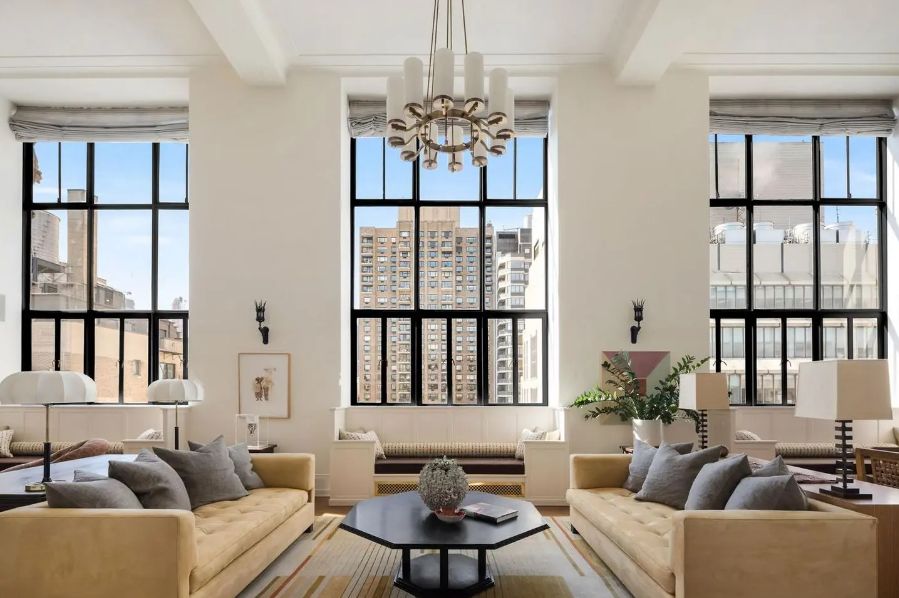
In cities like New York, you’ll see fire-rated steel windows in:
- Brownstones
- Townhomes near property lines
- Basement egress points
- Rooftop enclosures
They keep you code-compliant and clean-looking.
Commercial Applications
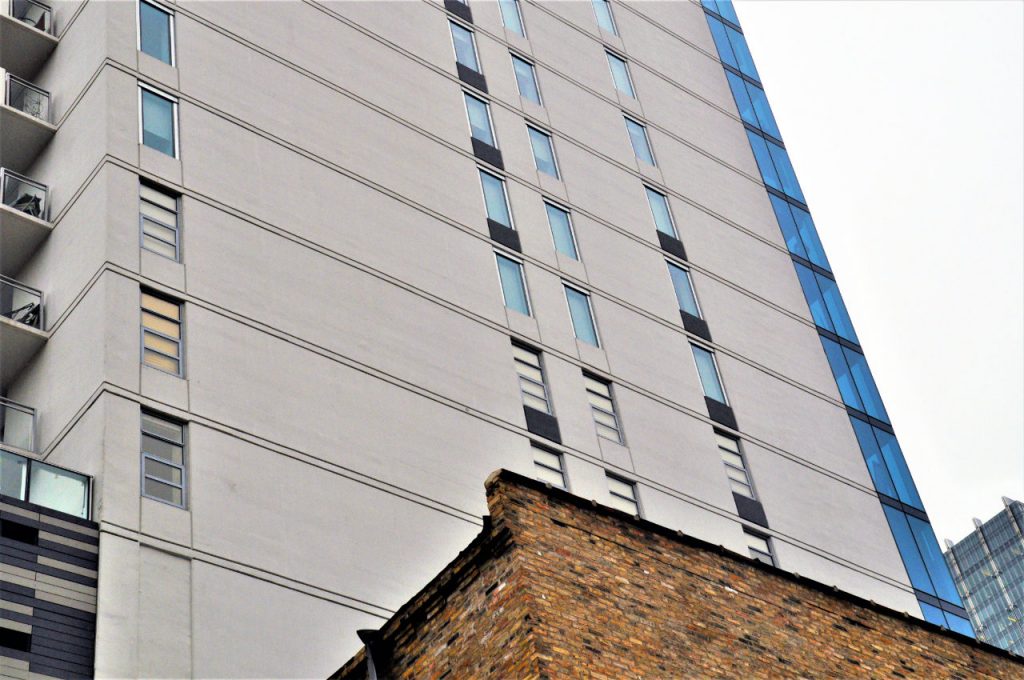
Retail buildings and warehouses need fire-rated windows in:
- Stairwells
- Hallways
- Exits facing alleyways
- Walls shared with other tenants
Optimum’s FR6000 and FR7650 lines are ideal for commercial use.
Landmark and Historic Buildings
Fire-rated doesn’t mean boring. Optimum’s custom steel systems let architects:
- Match historic sightlines
- Meet preservation board requirements
- Retrofit safely without killing aesthetics
Design Meets Code: Style Without Compromise
Combining Narrow Sightlines with Fire Ratings
Take the FR4700 Series:
- 45-minute rating
- Self-closing casement
- UL-certified
- Maintains modern, slim profiles
Then there’s the FR6000 Series:
- Up to 90-minute ceramic glazing
- Thermally broken for energy efficiency
- Fully weather-stripped
Thermally Broken Fire-Rated Systems
Here’s how some of Optimum’s top fire-rated lines compare:
| Series | Rating | Style | Thermal Break | Ideal Use |
|---|---|---|---|---|
| FR4700 | 45 min | Casement | Yes | Residential/Commercial |
| FR6000 | 45–90 min | Fixed | Yes | Warehouses/Retail |
| FR7650 | 45–90 min | Hung | Yes | Hospitals, Schools |
FAQs About Fire-Rated Windows
Do all windows in a fire-rated wall need to be fire-rated?
Yes. If the wall is rated, so is every window and door in it.
Can fire-rated windows be operable?
Yes. Optimum’s casement and hung windows are UL-listed up to 90 minutes.
What’s the difference between fire-rated and fire-resistant?
Fire-rated means tested and certified for a specific time.
Fire-resistant just means it slows down fire — no certification.
How can I tell if my windows need to be upgraded?
Check your building plans and local fire code. If a window is:
- Within 5 feet of a property line
- Part of a corridor or stairwell
- On an exit path
…it probably needs a fire rating.
Final Thoughts: Get It Right from the Start
Fire-rated windows are about more than passing inspection — they save lives.
At Optimum, we combine fire safety, code compliance, and style in every system.
Need help choosing the right setup? We’ve got the experience, products, and answers.
Your safety, your code pass, your peace of mind — all in one frame.