

Fire-rated windows are no longer just a code requirement.
They are a strategic upgrade for safety, design, and long-term performance.
When fire hits a building, time becomes everything.
The right window system can mean the difference between containment and catastrophe.
Let’s break down the real benefits of installing fire-rated windows and why architects, developers, and homeowners are specifying them more than ever.
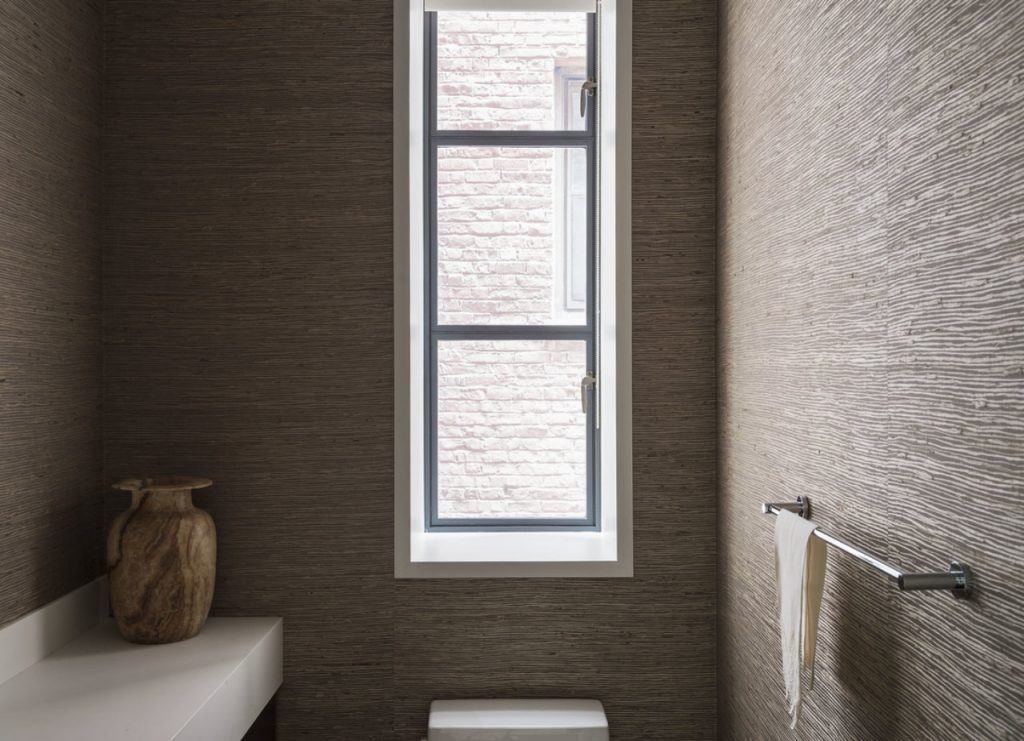
What Are Fire-Rated Windows?
Fire-rated windows are engineered window systems designed to prevent the spread of fire, smoke, and extreme heat for a specified period of time.
Unlike standard windows, they are tested under controlled fire conditions and must pass strict performance standards.
According to Optimum’s Fire-Rated brochure , systems are available with fire ratings ranging from 45 to 90 minutes and are UL Approved.
How They Work
Fire-rated windows are tested in:
| Test Type | What It Measures | Why It Matters |
|---|---|---|
| Heat Test | Exposure up to 1600°F | Verifies structural stability |
| Hose Stream Test | Sudden cooling after heat | Tests thermal shock resistance |
| Air/Water Tests (ASTM) | Leakage & infiltration | Ensures long-term performance |
| Structural Load | Wind pressure resistance | Maintains frame integrity |
When standard aluminum, vinyl, or wood windows are exposed to these conditions, they deform or fail quickly.
Steel holds its integrity.
1. Enhanced Life Safety Protection
Fire spreads fast.
Unchecked flames can move through glazing openings like wind through an open door.
Fire-rated steel windows are designed to contain flames within a compartment for a specific time frame.
That time protects:
- Occupants evacuating
- First responders entering
- Adjacent buildings in dense areas
- Stairwells and corridors
Slows Fire Spread
Fire-rated systems help compartmentalize a structure.
Think of them as internal fire barriers that still allow light and visibility.
Maintains Visibility
Unlike solid fire walls, fire-rated windows allow visual monitoring during emergencies.
That visibility can improve rescue coordination.
2. Code Compliance & UL Certification
Modern building codes require fire protection at:
- Stairwells
- Property lines
- Corridor openings
- Mixed-use separations
Optimum’s systems are UL Listed and Certified and meet testing standards including ASTM E283, E331, and E330.
| Compliance Area | Benefit |
|---|---|
| UL Certification | Third-party verification |
| ASTM Testing | Proven structural & performance data |
| NYC MEA/BSA Approved | Approved for major jurisdictions |
| 45–90 Min Ratings | Flexible compliance options |
Choosing certified systems avoids costly project delays.
3. Structural Integrity Under Extreme Heat
This is where material matters.
Steel behaves differently than aluminum, vinyl, or wood.
When subjected to extreme heat:
| Material | Reaction Under Fire |
|---|---|
| Vinyl | Melts rapidly |
| Aluminum | Softens and loses strength |
| Wood | Combusts |
| Steel | Maintains structural integrity |
Optimum fire-rated systems are produced from cold-rolled or hot-rolled steel , engineered to hold form during intense heat exposure.
The result:
Frames remain intact long enough to prevent collapse and flame passage.
4. Design Flexibility Without Compromise
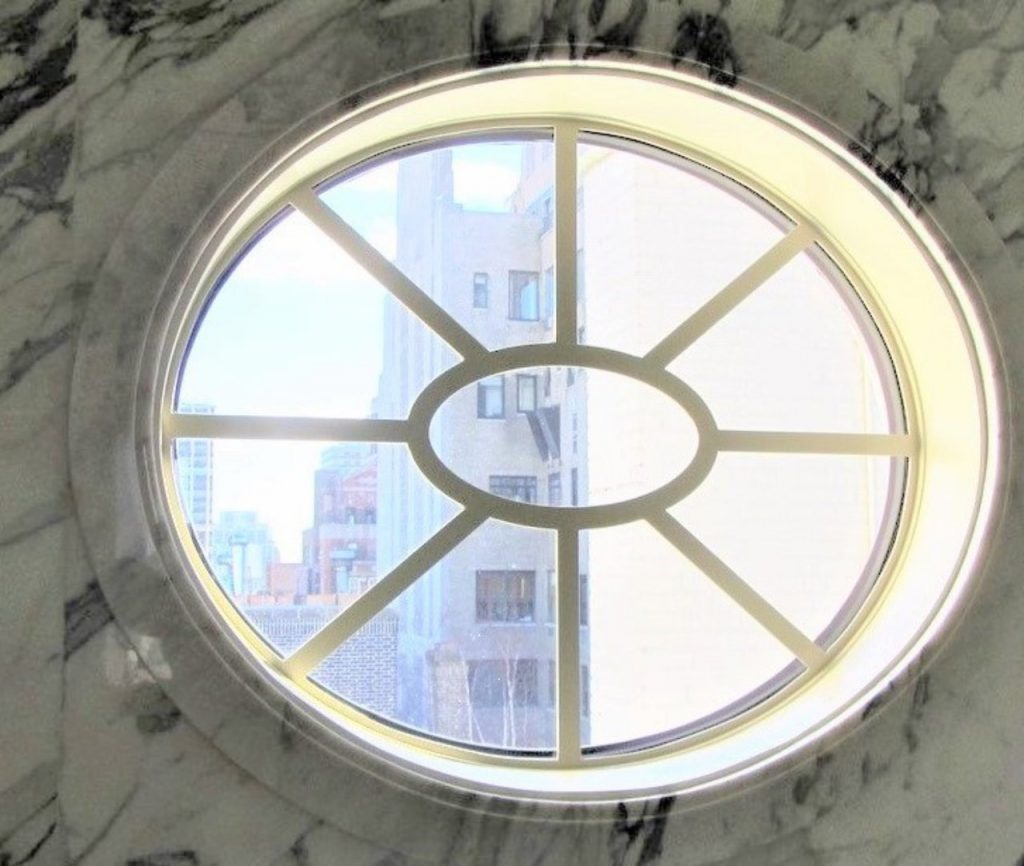
Older fire-rated systems were bulky.
Designers avoided them.
That’s changed.
Modern fire-rated steel windows offer:
- Narrow sightlines
- Large glazed areas
- True divided lites
- Custom configurations
- Fixed, casement, slider, and hung options
Optimum manufactures multiple fire-rated series including:
- FR4700
- FR6000 / FR55
- FR7650TDH
- FR8600
This allows architects to maintain open floor plans without sacrificing fire protection.
5. Energy Efficiency & Thermal Performance
Fire-rated does not mean energy inefficient.
Many systems support insulated glazing configurations.
Thermal performance data from tested products shows simulated U-values meeting energy conservation codes.
Example Thermal Data
| Window Type | U-Value (BTU/hr/ft²/°F) | SHGC | Visible Transmittance |
|---|---|---|---|
| FR4700 Fixed | 0.42 | 0.42 | 0.49 |
| FR6000 | 0.47 | 0.40 | 0.46 |
| FR7650 Hung | 0.51 | 0.35 | 0.39 |
This means:
- Lower heat transfer
- Reduced condensation
- Improved occupant comfort
Thermally broken steel systems go even further by separating interior and exterior metal surfaces.
6. Durability & Long-Term Value
Fire-rated steel windows are not temporary protection products.
They are long-term architectural components.
Key durability advantages:
- Fully welded construction
- Galvanized steel protection
- Powder coated finishes
- 10-year finish warranty
- 100% recycled steel
Steel resists:
- Warping
- Rot
- UV degradation
- Impact
The lifecycle performance of steel far exceeds many alternative materials.
It’s like comparing a solid steel beam to a plastic bracket.
7. Versatility Across Applications
Fire-rated windows are used in:
Commercial Buildings
- Schools
- Hospitals
- Office buildings
- Hotels
Residential Projects
- High-end homes
- Urban townhouses
- Historic retrofits
- Multi-family developments
Modern architecture favors open layouts.
Fire-rated glazing allows those layouts while maintaining safety.
Fire-Rated Window Ratings Explained
Not all ratings are equal.
| Rating | Common Use |
|---|---|
| 45-Minute | Corridors & light hazard areas |
| 60-Minute | Higher-risk separations |
| 90-Minute | Property line protection & exterior walls |
The rating refers to how long the assembly withstands fire exposure.
Choosing the correct rating depends on local building codes and application type.
Fire-Rated Windows vs. Standard Windows
| Feature | Standard Window | Fire-Rated Window |
|---|---|---|
| Fire Resistance | None | 45–90 Minutes |
| UL Certification | No | Yes |
| Hose Stream Tested | No | Yes |
| Compartmentalization | No | Yes |
| Energy Options | Yes | Yes |
| Design Flexibility | Moderate | High (Steel) |
Standard windows are not built for fire containment.
That difference becomes critical when seconds count.
Are Fire-Rated Windows Worth It?
If your project requires:
- Code compliance
- Life safety upgrades
- Urban density protection
- High-end architectural steel aesthetics
Then yes.
Fire-rated windows protect people, preserve property, and maintain design integrity.
They are not just safety products.
They are structural assets.
And in many jurisdictions, they are mandatory.
Final Thoughts
Fire-rated windows provide life safety, code compliance, durability, energy performance, and architectural flexibility in one engineered system.
Steel gives them the strength.
Testing gives them credibility.
Design flexibility makes them usable everywhere.
When safety and style must coexist, fire-rated windows are the solution.