


Steel has long been valued for its strength, durability and ability to create delicate sight lines. But because metal conducts heat efficiently, traditional steel window frames can also transfer exterior temperatures through the frame.
A thermally broken steel window is engineered to interrupt that path of heat transfer.
The result is a steel window that maintains the architectural character of slender profiles while providing substantially better thermal performance.
How a Thermal Break Works
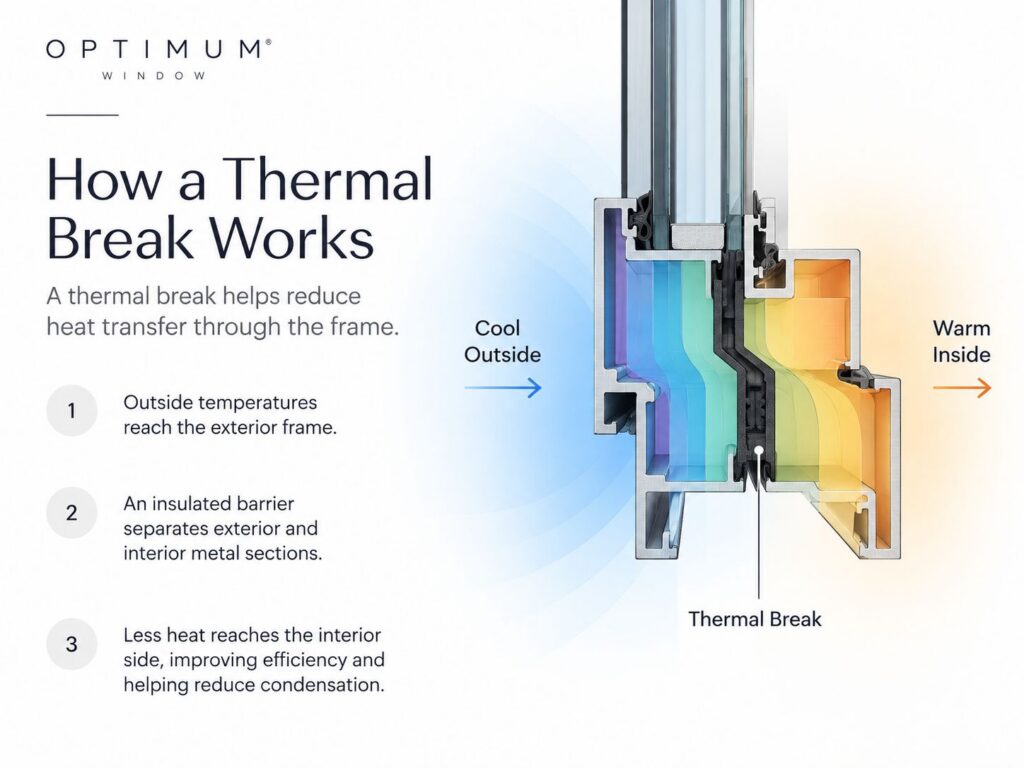
In a conventional metal frame, the interior and exterior portions of the frame can create a direct path for heat to move through the window assembly.
A thermal break interrupts that connection.
Instead of allowing outside temperatures to travel easily through the steel profile, the thermally broken construction reduces the amount of heat transferred between the exterior and interior surfaces.
Think of it as creating a bridge with an insulated section in the middle. The structure remains connected, but the pathway for heat is disrupted.
Why It Matters
Thermal performance affects more than energy efficiency.
A properly engineered thermally broken system can also help reduce the interior surface temperature differences that contribute to condensation on metal frames.
That becomes especially important in climates where there is a significant temperature difference between indoors and outdoors.
For architects and building owners, this means steel windows no longer have to represent the same thermal compromise associated with traditional metal window construction.
The Frame Is Only Part of the System
Thermal performance does not come from the frame alone.
The complete window assembly includes:
- the thermally broken frame
- insulated glazing
- glass coatings and configurations
- spacers and seals
- glazing details
- operable hardware and weather sealing
Each component influences how the finished window performs.
That is why we look at steel fenestration as a complete engineered system, rather than treating the frame and glass as unrelated components.
Thin Sight Lines and Thermal Performance Can Coexist
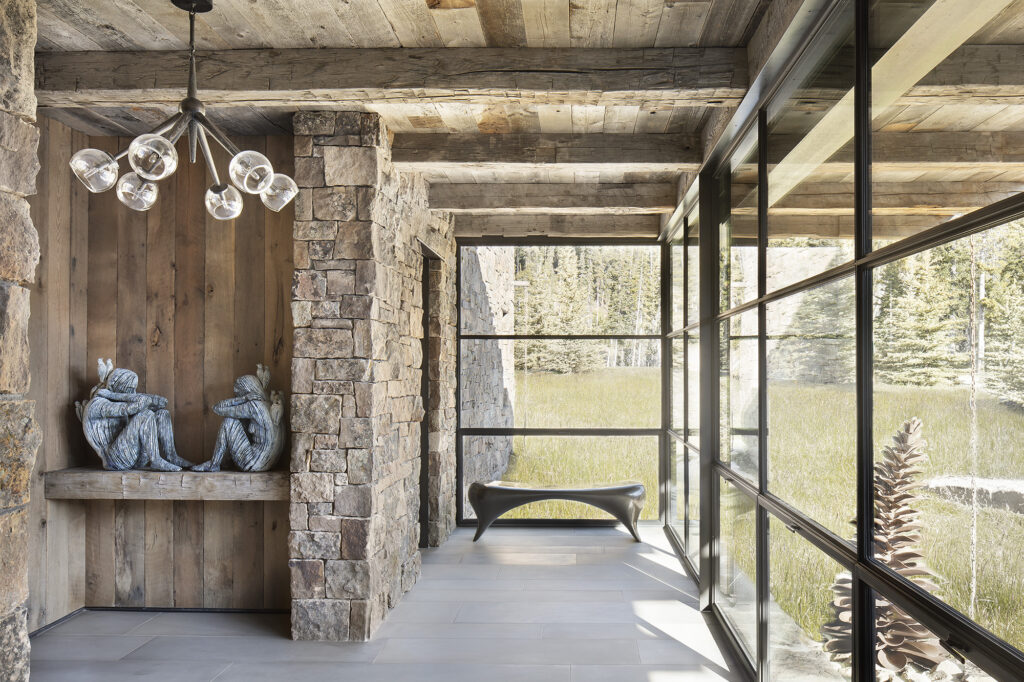
One of steel’s greatest architectural advantages is its ability to create strong frames with refined proportions and expansive areas of glass.
Modern thermal engineering allows us to preserve that character while addressing performance requirements that were once difficult to achieve with steel.
Our thermally broken stainless steel systems combine delicate sight lines with tested thermal performance, including NFRC-rated configurations and condensation-resistance testing.
For architects, that creates greater freedom to use steel in applications where aesthetics and building performance are equally important.
Engineering Should Support the Architecture
We believe performance should strengthen architectural design, not unnecessarily restrict it.
Thermally broken steel makes it possible to retain the proportions, strength and visual character that make steel distinctive while improving the way the window interacts with the building envelope.
The important question is no longer simply whether a steel window is thermally broken.
It is how the complete window system has been engineered to bring beauty and performance together.
 Optimum