Introduction
Bifold patio doors fold and stack their glazed panels to one or both sides, turning a wall into a wide opening. The appeal is obvious. The planning is not.
The "best" door depends on the rough opening, panel weight, frame material, weather exposure, security, stacking direction, installation requirements, and budget. Outdoor living is a strong design driver: AIA's 2026 Q3 survey lists outdoor living areas among popular special-function rooms at 20%.
This guide covers how to evaluate bifold patio doors for US residential, remodeling, coastal, and architectural projects. Where manufacturer specs are incomplete, those gaps are noted so you can verify them before you specify.
Key Takeaways
- Bifold doors create wide openings but need more planning than sliders or French doors.
- Compare the full system: frame, glass, hardware, sill, screens, and installation.
- Verify performance documents and approvals for your exact size and configuration.
- Match the system to your opening, climate, design intent, and budget rather than brand recognition alone.
Overview of Bifold Patio Doors in the US Market
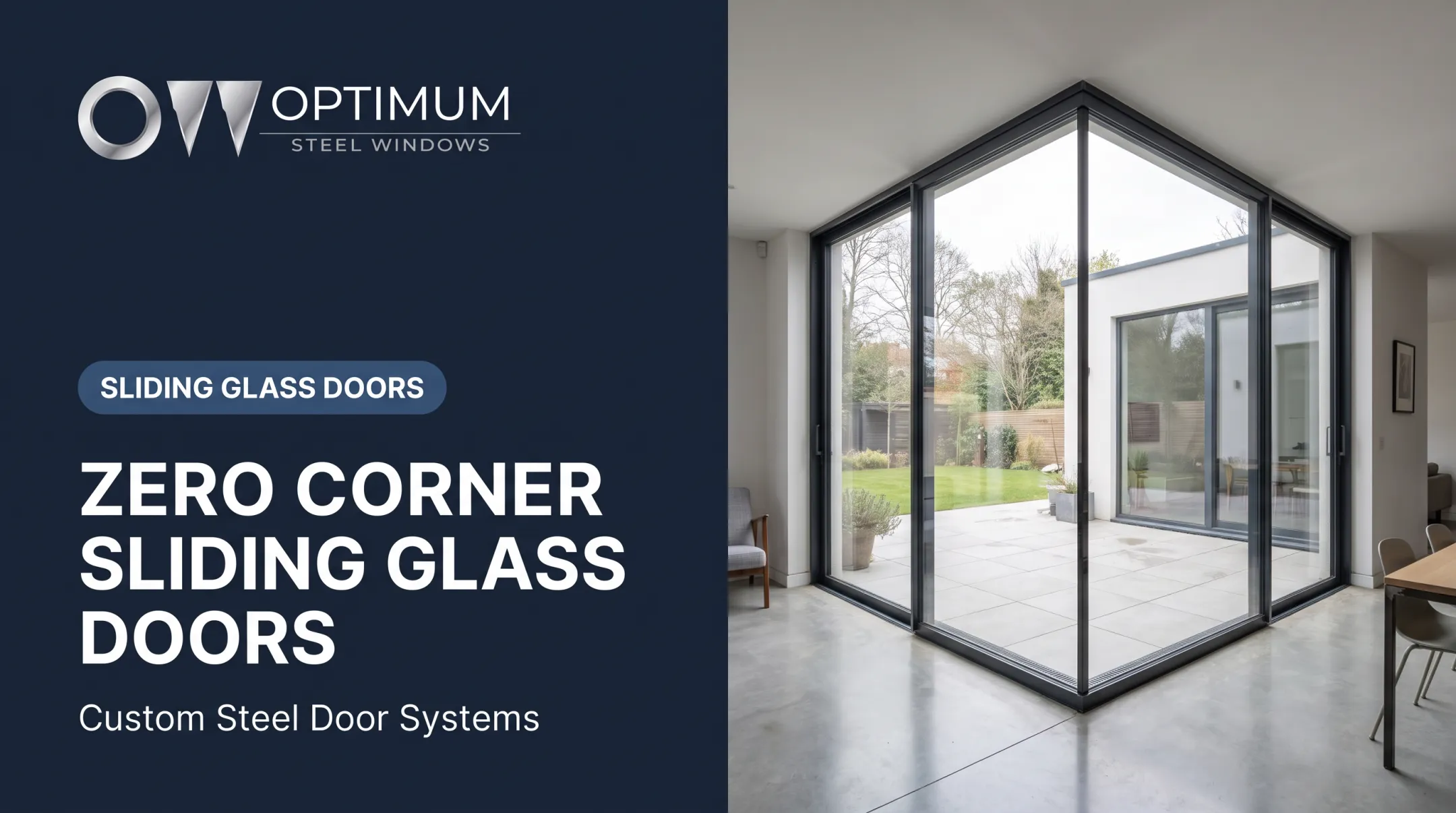
A glazed exterior bifold is a set of hinged panels that fold and stack to one or both sides of an opening. Common layout options include single-direction stacks, bi-parting stacks that split to both sides, and open-corner arrangements where two folding runs meet at a building corner. Open-corner bifolds typically use a fixed corner post or a moving post that travels with the panels; they are not the same as glass-to-glass zero-post sliding corners. Panel count and corner detail are product- and project-specific.
How they differ from similar doors:
- Sliding patio doors: panels glide past each other rather than folding.
- French doors: hinged leaves swing open as a pair, with no stacking.
- Accordion doors: a different folding product, generally not a glazed exterior patio system.
Bifolds suit great rooms, kitchens, hospitality spaces, luxury homes, and large remodels. Use the criteria below to compare options by use case and published specifications rather than brand recognition. When a manufacturer has not published a figure, request it before you specify.
How We Chose the Best Bifold Patio Doors
Selection rests on documented performance and project fit, not lifestyle photography or brand familiarity. Use the same criteria on your own shortlist.
Measure the Opening
Record the site conditions before you shortlist products:
- Rough and finished opening height and width
- Headroom, jamb depth, and floor condition
- Drainage path
- Wall space for stacked panels
Compare Frame and Glass Performance
NFRC ratings cover U-factor, SHGC, visible transmittance, and air leakage. Compare the labeled rating for the full door configuration, not a glass-only value. A DP number alone isn't a complete rating; look for the full PG classification as well.
Plan Installation and Structure
Door weight is carried by the header, so it needs rigid support. Manufacturer installation guidance typically requires a sill pan with a back dam, and the installer handles flashing. Confirm header capacity, leveling, stacking direction, and whether the job is replacement, remodel, or new construction.
Check Safety and Regional Requirements
- Glazing in bifold door panels is a hazardous location under the 2024 IBC, so safety glazing applies.
- In hurricane zones, check Florida's product portal or Miami-Dade Product Control.
- Verify approvals cover your exact size, glazing, sill, and anchorage.
- Coastal projects within 30 feet of grade face large-missile requirements under the 2023 Florida Building Code.
- Ask about multipoint locks and child-safety needs.
Weigh Total Ownership Cost
Unit price alone misleads. Factor in the full cost of ownership:
- Installation labor and custom fabrication
- Screens, shades, and hardware maintenance
- Replacement parts and warranty exclusions
- Lead time and dealer support

Conclusion
The best bifold patio door matches your opening, climate, design intent, performance needs, and installation budget. The best-known brand isn't automatically the right one.
Request a complete quote covering:
- Door, glass, and hardware
- Screens and structural work
- Waterproofing, installation, and warranty
Then compare technical documents for your exact configuration.
If your project calls for custom metal rather than a standard bifold, Optimum Window brings more than 40 years of American manufacturing experience. The company builds made-to-order steel, bronze, stainless steel, aluminum, thermally broken, fire-rated, and security systems in Ellenville, New York.
Its RTS-430 series includes bifold doors, and the RTS430i is designed for coastal impact applications. Confirm suitability and ratings for your configuration directly with the company.
Frequently Asked Questions
How much do bifold doors cost in the UK?
UK pricing does not transfer to US projects. US cost depends on material, panel count, dimensions, glazing, hardware, installation, structural changes, and local code requirements.
What are the best bifold doors for an outdoor patio?
Choose an exterior-rated system matched to your opening, climate, drainage, glazing, security, and screens. Add warranty and any coastal or impact requirements.
What is the best brand of bifold doors?
No brand wins universally. Compare opening size, material, performance documents, customization, installer network, warranty, and parts support.
What are the different types of bifold doors?
Exterior patio and interior bifolds are separate products. Systems vary by hardware (top-hung or bottom-rolling), frame (aluminum, wood, fiberglass, clad), and layout (single-direction stack, bi-parting/split stack, or open-corner with a fixed or moving post).
What is the most common bifold door size?
Popular sizes often include 7 and 8 foot heights and 6, 9, 12, 15, and 18 foot widths, though ranges vary by manufacturer. Many doors are made to order, so have a professional measure your opening.
Are there no-drill blinds available for bifold doors?
Options include integrated blinds, between-glass shades, and clip-on or adhesive treatments. Confirm compatibility, moisture tolerance, operation, and warranty impact for your specific system.